Hardly a day passes without discussions about supply chains and manufacturing in China. Many customers wish for European-made products – yet most orders arrive with "Made in China" goods. This is no accident. Behind this global shift in production lie profound economic, infrastructural, and market-driven reasons worth understanding.
Market Pressure: Why Few Alternatives Remain
Consumers want high-quality products at low prices. This demand isn't new, but it's become more explicit and louder. Through e-commerce and global marketplaces, buyers can compare worldwide. Any manufacturer charging more faces a credibility problem – not because their product is inferior, but because markets have adapted to expecting low prices.
This expectation creates economic pressure smaller European producers can barely manage. Margins shrink while investments in machinery and skilled labor grow more expensive.
Asian Infrastructure: An Entire Industry Under One Roof
China isn't simply a country with low labor costs – that's an outdated notion. Reality is far more complex. Over decades, specialized industrial clusters have formed across China. For almost every product category, entire regions house the necessary suppliers, specialized craftspeople, and machinery.
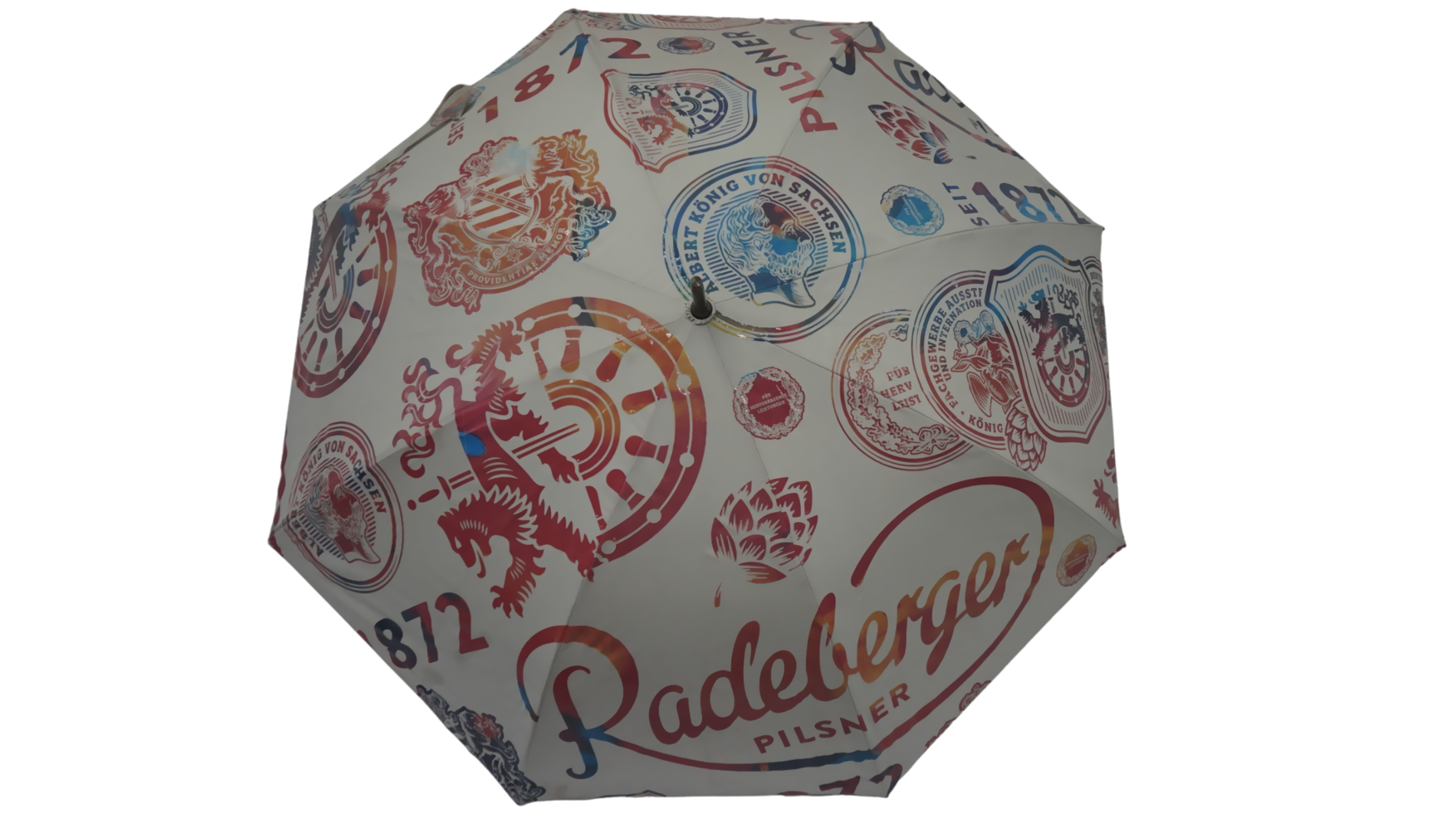
Take umbrellas as an example: Guangdong is the global center of umbrella manufacturing. When a manufacturer designs a model there, they can rely not just on final assembly locally, but also access specialized suppliers for frames, fabrics, and finishing – all nearby. These cluster effects reduce costs, lead times, and enable rapid adjustments.
Europe has largely abandoned these clusters. Even if a European manufacturer could produce locally in Western Europe, they'd need to source components from everywhere – with significantly longer supply chains than China offers.
Cost Reality: More Than Just Wages
Yes, wages in China are lower. That's one factor. But the decisive point is that automation and scale effects have neutralized much of the wage advantage – and this gap continues shrinking.
What remains are established production facilities, technical expertise, and raw material availability. A European manufacturer would need substantial upfront investments to build a production base. These investments must be recouped through product prices – making European products uncompetitive.
Quality Is Not Determined by Country
A widespread myth: "Made in China" means poor quality. This is wrong. Product quality depends on multiple factors: design, materials, process standards, and quality control – not country of origin.
Excellent Chinese manufacturers operate with global certifications (ISO 9001, ISO 14001, etc.). Simultaneously, European companies struggle with quality issues. Country of manufacture is a false marker.
What matters is: Which manufacturer sets standards? What certifications exist? How are controls conducted? At GREF Schirme, quality control happens in multiple steps – whether a product is made in China or elsewhere is secondary to maintaining these standards.
Modern Technology Meets Asian Production
Another outdated notion: Asians manufacture, Europeans innovate. Reality has moved far beyond this. Chinese manufacturers invest heavily in research, development, and automation. State-of-the-art printing processes, digital controls, and robot-assisted manufacturing are as prevalent there as in Europe.
This enables complex requirements like photorealistic printing, precise tolerances, and small batch runs – without costs exploding.
Sustainability: The Argument Is More Complicated Than It Appears
The strongest emotional argument against Chinese production is sustainability: "Long transport distances harm the environment." This sounds reasonable – but it's only part of the truth.
A European-manufactured product with lower environmental standards (in dyeing, energy efficiency, or working conditions) can be more environmentally damaging overall than a Chinese-made product meeting high standards and shipped via container vessel.
A high-quality umbrella manufactured in China that lasts for years and gets used regularly contributes far more to sustainability than one simply produced regionally. True sustainability lies in longevity and usage duration – not production location alone.
Transparency Over Origin
The most important factor isn't where a product is made, but how much you know about its manufacturing. A transparent manufacturer tells you:
- What materials are used
- Which standards govern production
- What quality controls are performed
- How long the product will last
…and builds more trust than any "Made in Europe" label.
Accepting Reality – and Making Informed Choices
It's emotionally understandable to prefer European products. But economic and infrastructural reality shows that many product categories can now only be manufactured economically in Asia – particularly China.
This isn't good or bad – it's a consequence of market dynamics, scale effects, and industrial cluster specialization.
Instead of fixating on production location, ask yourself:
- Are quality standards high?
- Are controls being conducted?
- Is the manufacturer transparent?
- Will the product be durable?
- Can I trust this supplier?
These factors truly matter – not which country the machine stands in.